

Rethinking Metrics: Moving Beyond Page Views
Remember the BlackBerry? Once the gold standard of mobile communication, it was the must-have device for professionals everywhere known for its secure email and iconic keyboard. But in 2007, Apple launched the iPhone, and the world changed almost overnight. Touchscreens, apps, and a user-first design quickly became the norm. BlackBerry clung to its legacy strengths, confident that its keyboard and enterprise market would protect it. It didn’t. Within five years, Apple had taken over the smartphone market. By 2022, BlackBerry officially shut down support for its phones.
It’s a cautionary tale of what happens when you fail to evolve in a fast-moving digital era and it applies far beyond hardware. If your organization is still relying solely on page views, impressions, and other outdated vanity metrics to measure digital performance, you’re clinging to a toolset the modern world has already moved past.
To be clear, vanity metrics still have a role to play—especially when it comes to building brand awareness and shaping perception. In a perfect world, we’d all have dedicated budgets for every step in the marketing funnel. But the way we collect and interpret data has fundamentally changed. Google’s analytics ecosystem has evolved, user behavior is more fragmented, and attention is harder to capture than ever. That means your metrics—and your mindset—need to change too. It’s time for a wake-up call.
The Problem with Vanity Metrics
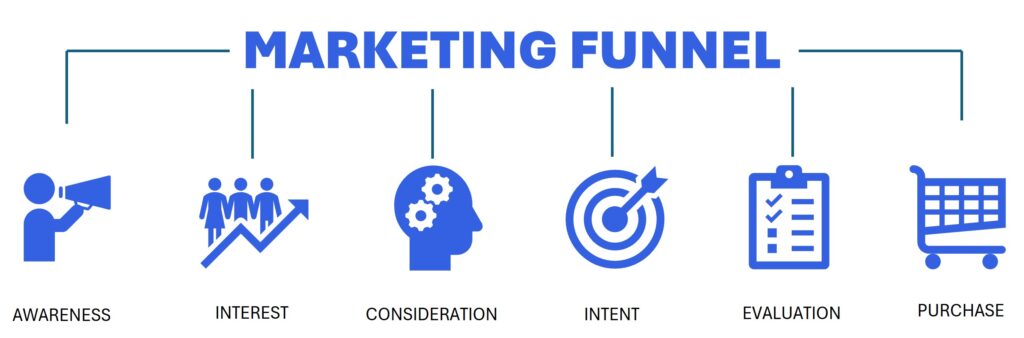
Vanity metrics still have a role, especially in building brand awareness and shaping perception. In a perfect world, every team would have clear, dedicated budgets for awareness, consideration, and intent. But the digital landscape has changed, and so must our approach to measurement.
Google’s analytics ecosystem has evolved. User behavior is more fragmented. Attention is more fleeting than ever. What worked five years ago no longer cuts it.
A page view doesn’t tell you if your content inspired action. An impression doesn’t mean someone actually saw, or cared about, your message. And a high bounce rate? Depending on the context, it might not be a red flag at all.
Take this example: a user clicks on your website’s contact page. That registers as a page view. Success, right? Not necessarily. They could be a current customer looking for support. Or a salesperson trying to reach your CEO. Either way, that page view has nothing to do with a new lead or a customer moving through the funnel. Your online presence is working, but it’s not measuring actual buyer behavior.
These are vanity metrics: numbers that look good in reports but often fail to reflect real impact. They’re artifacts from an era when data was harder to interpret and marketers had fewer tools. Today, we can do better—and we must.
Google Analytics Has Evolved — Have You?
With the rollout of Google Analytics 4 (GA4), everything changed:
- Sessions are no longer the central metric — active users, events and user engagement are.
- Bounce rate has evolved. Today’s analytics focus on engagement rate, which measures meaningful interactions like time on page, scroll depth, and video plays. Instead of just tracking who leaves quickly, we can now see who’s truly engaging with your content—giving you a clearer picture of what’s working and what’s not.
- The data model is more behavior-centric, with machine learning baked in.
- Cross-platform tracking (web + app) is finally streamlined.
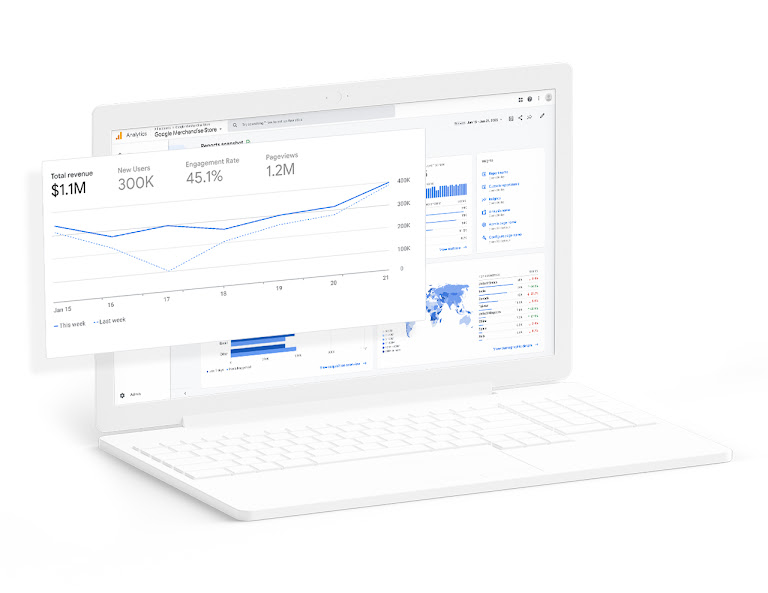
What this means is that simply counting clicks and views is no longer enough. GA4 gives us the tools to understand what users are actually doing, and more importantly, what actions they’re taking as a result of your marketing.
The Metrics That Actually Matter
So what should you track instead? Focus on metrics tied to intent, engagement, and conversion:
- Engaged Sessions: How many users are sticking around and interacting with your site?
- Event Completions: Are users clicking the CTA, downloading a guide, filling out a form?
- Key Events: Identify the actions that drive the most value for your website marketing strategy.
- Conversion Rate: Are they doing what you ultimately want them to do?
- User Journey Flow: Where are they coming from, and where are they going next?
These metrics don’t just make you look good, they give you actionable insights.
To go even further, connect your website analytics to CRM data. Tracking what happens after someone fills out a form or clicks a CTA helps you understand the full customer journey—from first touch to closed deal. That’s where the real story (and real ROI) begins.
It’s Time to Upgrade
At The Walter Collective, we have digital experts like Natalie Coyne and Andrew Slade who will help organizations move beyond vanity metrics and embrace a performance-driven mindset. That means aligning your analytics with real goals — from lead generation to donor engagement to brand awareness.
Just like Blackberry got left behind when it failed to adapt, organizations that ignore the new analytics landscape risk falling into irrelevance.
Don’t let outdated metrics hold you back. It’s time to track smarter, measure what matters, and drive the kind of impact that shows up in more than just a dashboard.
Ready to stop measuring noise and start tracking real results?
Let’s talk. We’ll help you build a data strategy that works for today — and tomorrow.